
Spanish Network
A national network of atmospheric, ocean and ecosystem observation platforms contributing to ICOS.
The ICOS-Spain network consists of seven stations distributed across the three ICOS domains: Atmosphere, Ocean and Ecosystem. Together, they extend ICOS coverage to southwestern Europe and the subtropical North Atlantic, spanning a wide range of environments representative of the region.
The Atmosphere domain includes three sites. The Izaña station is hosted at the centennial high-mountain Izaña Observatory in Tenerife, which has been a key global reference site for free-tropospheric measurements for decades. El Arenosillo station, in Huelva, provides observations from one of the southernmost areas of continental Europe, facing the Atlantic. CIBA station, in Valladolid, represents a continental inland environment in central Spain.
In the Ocean domain, CanOA is a mobile station on a merchant vessel that regularly operates between Gran Canaria and Barcelona, collecting data across the subtropical North Atlantic and the western Mediterranean. ESTOC is a fixed site north of Gran Canaria with decades of continuous ocean measurements in the subtropical North Atlantic.
The Ecosystem domain is represented by Majadas de Tiétar, in Cáceres, which monitors a Mediterranean oak savanna, or dehesa, a characteristic ecosystem of the Iberian Peninsula, and by Aguamarga, in Almería, which monitors a semi-arid espartal ecosystem located in one of Europe’s climatic extremes.
In addition, Barcelona hosts an urban greenhouse gas monitoring network developed within the framework of the ICOS Cities project.
A semi-arid ecosystem station in Almería, identified in the ICOS metadata as Aguamarga (ES-Agu). The site represents open shrubland conditions in south-eastern Spain and provides a valuable Mediterranean dryland context for future ecosystem carbon-cycle observations. A ship-of-opportunity ocean station installed aboard a commercial vessel operating regular routes between the Canary Islands and Barcelona. CanOA provides repeated surface ocean CO2 observations across the subtropical North Atlantic, the Strait of Gibraltar region and the western Mediterranean. A continental atmospheric station north of Valladolid, located at the Lower Atmosphere Research Center. Its 100 m tower is designed to provide greenhouse gas measurements at different heights and to represent inland lower-atmosphere conditions in central Spain. A coastal atmospheric station in Huelva, operated by INTA, located close to the Atlantic coastline and Doñana National Park. Its 100 m tower supports greenhouse gas and meteorological observations that help study air-mass transport between the Atlantic, the Mediterranean and the Iberian Peninsula. A fixed ocean time-series station located 60 nautical miles north of Gran Canaria. Since 1994, ESTOC has provided meteorological and oceanographic observations representative of the central-eastern North Atlantic, supporting long-term climate and ocean carbon studies. An associated urban greenhouse gas monitoring activity in the Metropolitan Area of Barcelona, led by ICTA-UAB. The network measures urban CO2, CH4 and CO concentrations across different land-use contexts and contributes data to the ICOS Cities framework. A high-mountain atmospheric station in Tenerife, located at the historic Izaña Observatory at 2,373 m a.s.l. Its position above the local temperature inversion layer makes it a key site for long-term greenhouse gas observations under free-troposphere conditions in the subtropical North Atlantic. A Mediterranean dehesa ecosystem station in Cáceres, measuring CO2, H2O and energy fluxes continuously since 2003. The site represents a holm oak savanna system of high ecological, economic and social importance in the Iberian Peninsula.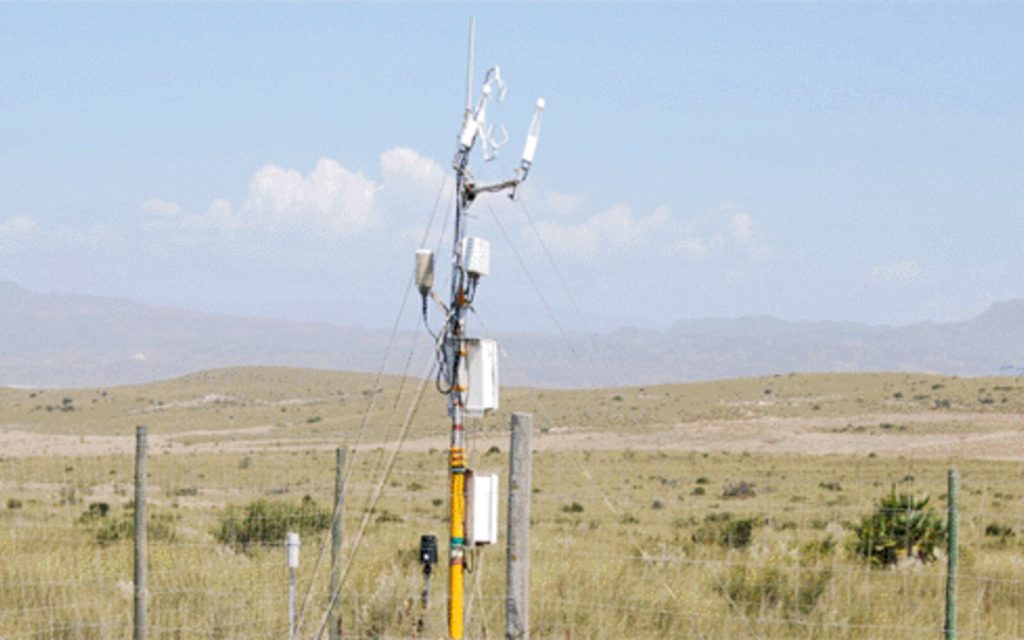
Aguamarga Ecosystem Station
View Platform
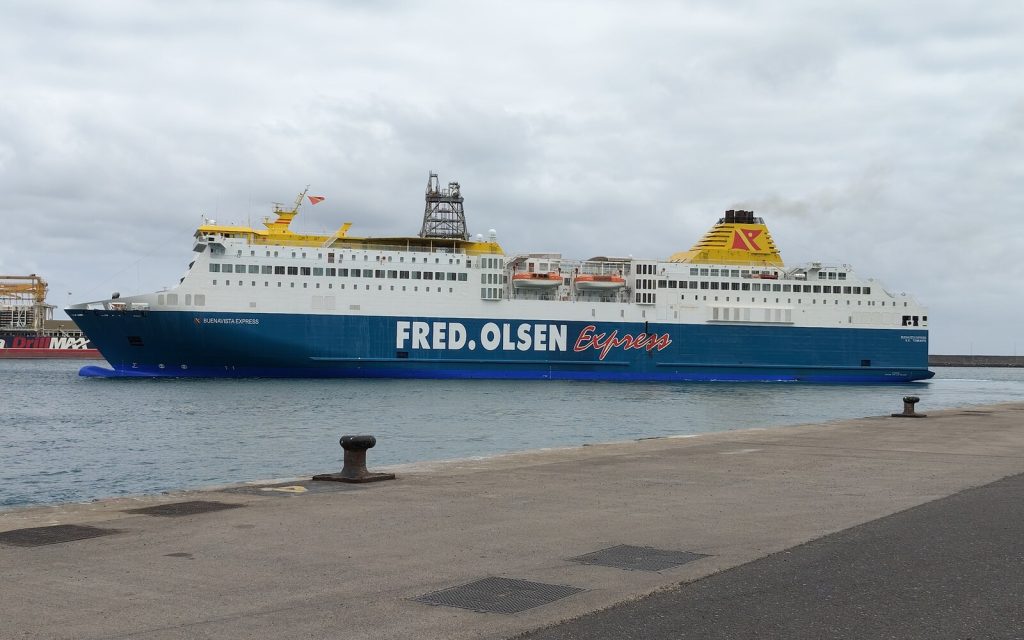
CanOA Ocean Station
View Platform
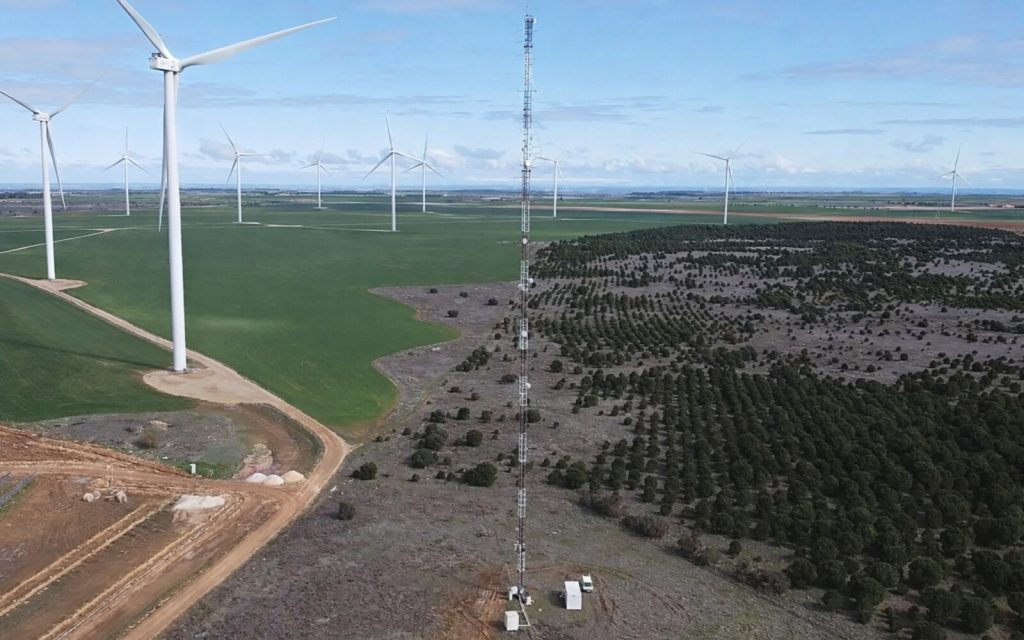
CIBA Atmospheric Station
View Platform
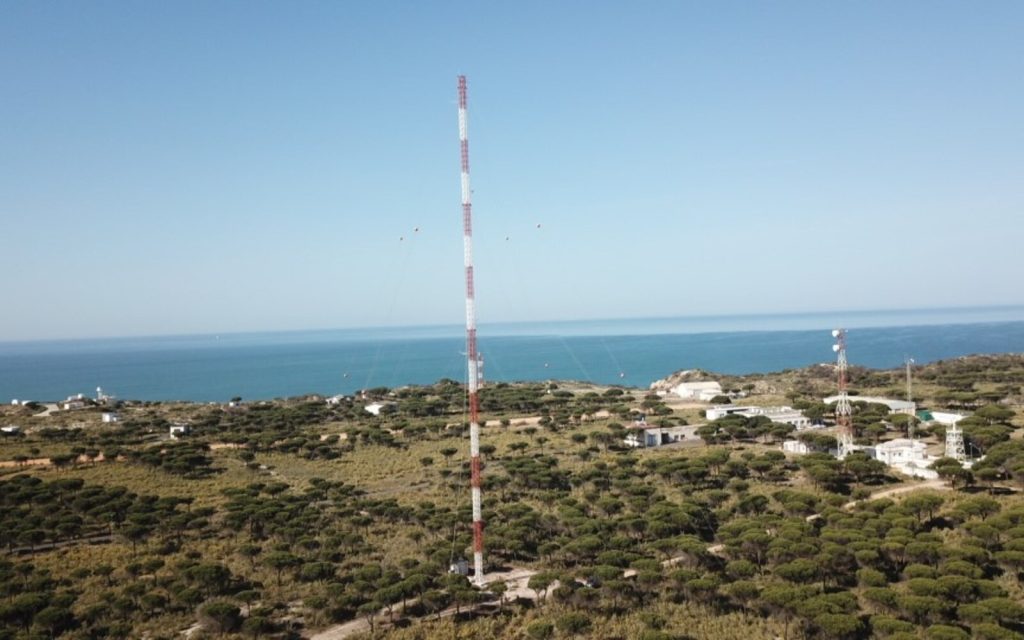
El Arenosillo Atmospheric Station
View Platform
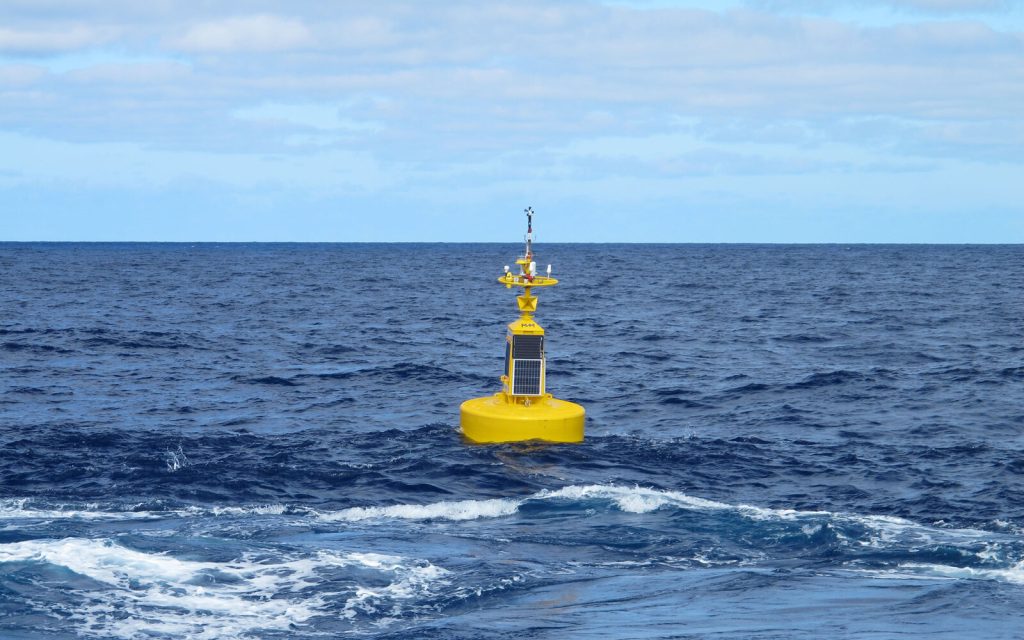
ESTOC Ocean Station
View Platform
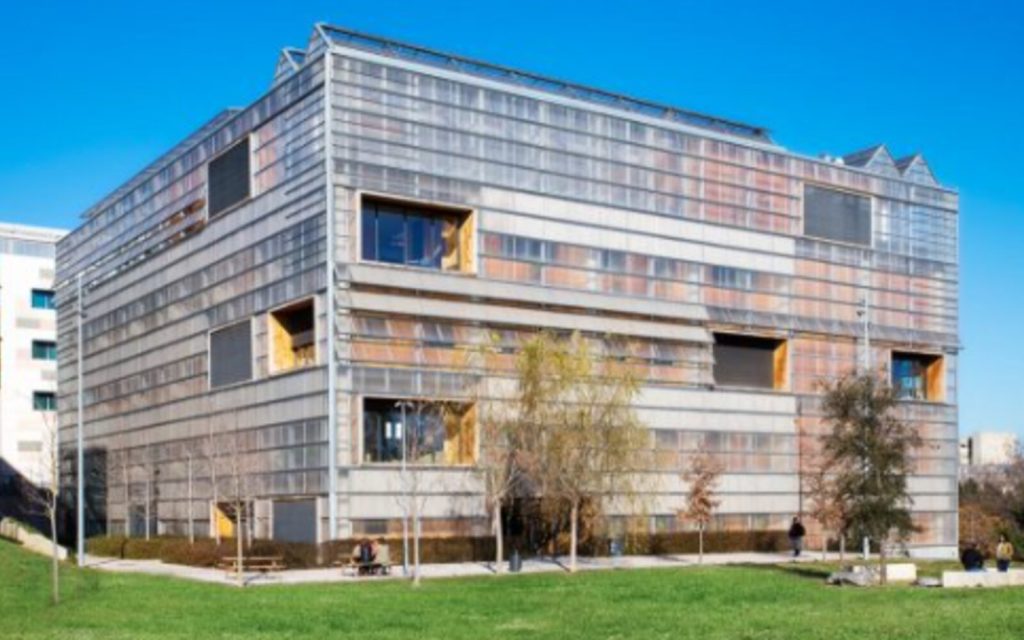
ICOS Cities Barcelona
View Platform
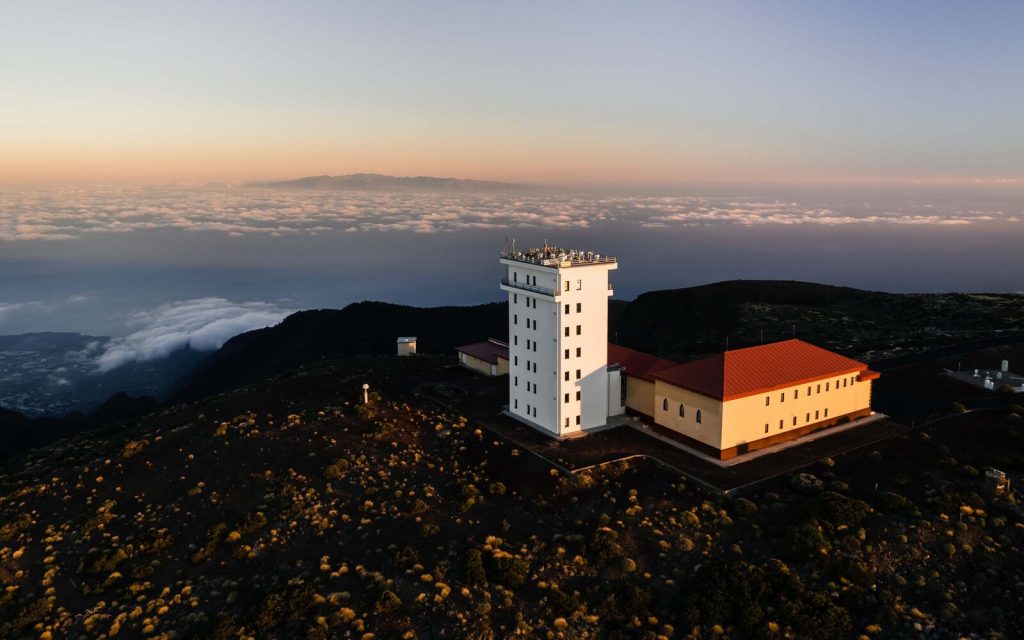
Izaña Atmospheric Station
View Platform
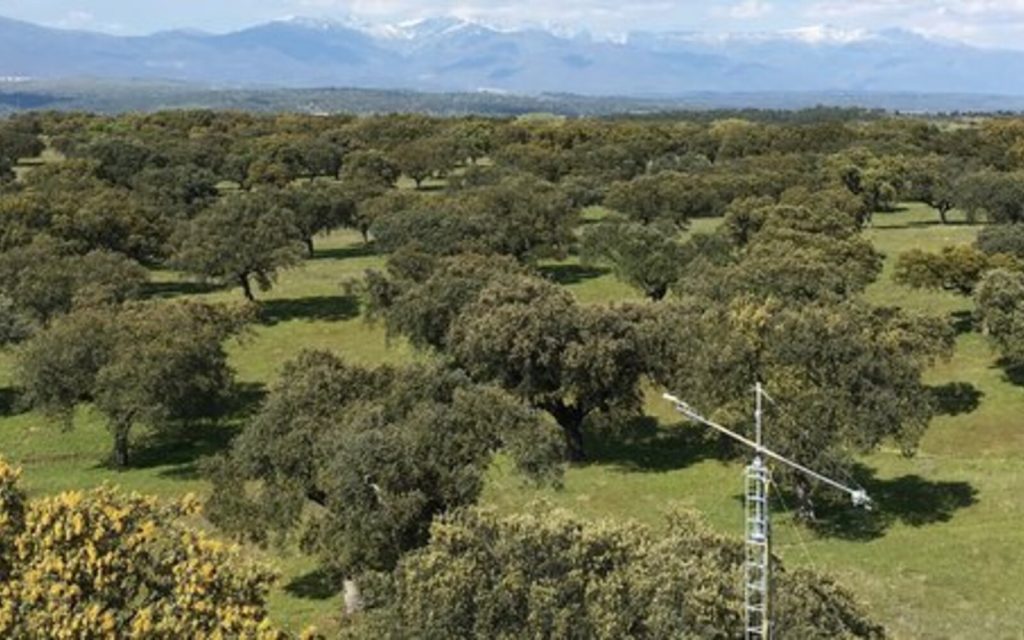
Majadas de Tiétar Ecosystem Station
View Platform